
We've been given a Human

What a profound responsibility — the most important one we carry throughout our life.
Imagine if we were taught from a young age what this responsibility means, and how we can best honor it. This understanding would have profound implications for the choices we make. It would become a lens through which we see ourselves, inviting awareness of the intention to honor the body — through nutrition, rest, sleep, exercise, play, hydration, kind inner dialogue, self-care practices, self-compassion, and so much more. Perhaps it would encourage us to live more authentically: honest with ourselves and others about our feelings and needs, holding boundaries, living in balance, and avoiding harmful substances and behaviors.
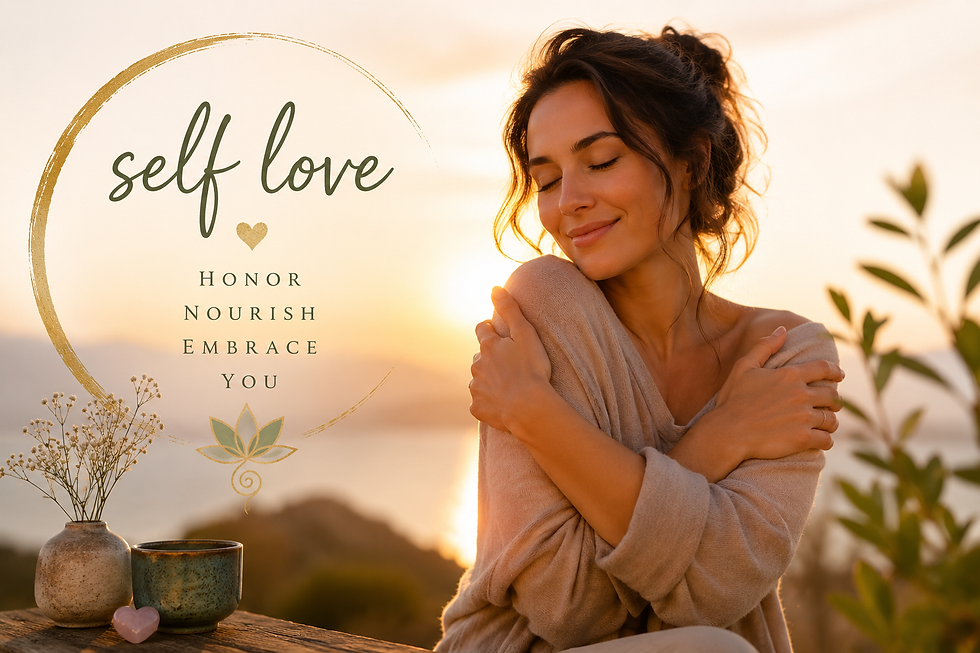
Perhaps we would live in reverence and gratitude for the gift of having a body, no matter how it appears — while holding the recognition that we are in the body, but we are not the body. We are the consciousness residing within it, responsible for caring for it and sustaining it, in a sacred partnership with the body while we have this human experience. It allows us to experience life through our senses, our perception, our nervous system. What a gift.
How do you feel toward your body? What are your beliefs about it? How do you treat it?

When we believe our body is our only identity — who we are — we live in fear: fear of illness, injury, aging, declining abilities, judgment about our appearance, and ultimately, fear of death. Every body dies. Do we?
The spiritual path is an exploration of the age-old question, the most important question: Who am I?
Throughout history, humans have sought many paths toward this question — through prayer, meditation, fasting, silence. Entheogenic medicines are one such path, offering a direct and often profound experience of what lies beyond the ordinary mind.
An entheogen is a psychoactive substance used for spiritual, religious, or shamanic rituals and ceremonies to induce altered states. The term translates to "generating the Divine within." Psychedelics used in this context are entheogenic, as opposed to recreational.
Psychedelics give us the opportunity to lift the veil of our ordinary state of consciousness and glimpse the Self beyond our identifications — woman/man, father/mother, sister/brother, doctor, janitor, healer, entrepreneur, people-pleaser, perfectionist, addict, depressed, activist, Democrat, Republican, Christian, Muslim — our beliefs, opinions, attachments, stories, experiences. Layer upon layer covering the Self.
During a psychedelic journey, with an intention to know thy Self, we have the opportunity to see beyond all the identifications that make up the narrative of our life. This can lead to a deep love and appreciation for the human body — and for the ego that works to keep it safe — while no longer being limited to that as our only identity.
Having a greater sense of who we are connects us to a power greater than ourselves, however we choose to name it: Source, Creator, Higher Power, God, Spirit. It expands our connection to include all of life, offering greater meaning, purpose, clarity, and inner peace.
With this embodied perspective beyond concepts and beliefs, we may feel inspired to engage in spiritual practices that allow us to deepen, grow, and integrate this newfound connection to the Self beyond all identifications. A spiritual path can bring tremendous love, joy, and faith to support us through the trials and tribulations of being human.
It's also vital to remember, however, that there is a risk of spiritual bypassing — using spiritual concepts and experiences to avoid or escape the messy human experience of facing unresolved trauma, unprocessed emotions, uncomfortable sensations, and unmet needs. This can show up subtly: reframing pain as "just an illusion," rushing toward forgiveness before the anger or grief has been fully felt, staying so focused on the transcendent that the body's signals get overridden or ignored, or using spiritual language to sidestep accountability in relationships.
A profound psychedelic experience can offer real insight into who we are beyond our wounds — but insight alone doesn't heal a wound. The parts of us still holding pain, fear, or old survival strategies need to be met with presence and compassion, not bypassed with a bigger perspective.
True integration holds both truths at once: we are vast, and we are also here, in a body, in a life, with real feelings that deserve to be felt. We have been given a human for a reason. So while we are not only human, we are in this sacred human body, and we have a responsibility to love and care for it as best we can.
I have found that when I take care of my body, my body takes care of me. When I love my body, my body responds with greater health and vitality. When my body gets sick, or injured, or loses its abilities, I can respond with great compassion, patience, and care.
This exploration — of who we are beneath the roles and stories, and how to carry that knowing back into daily life — is at the heart of my coaching work. Whether you're preparing for a journey, integrating one that's already happened, or simply ready to look more closely at "Who am I?", I'd love to support you.


Comments